
The Institute

Our History

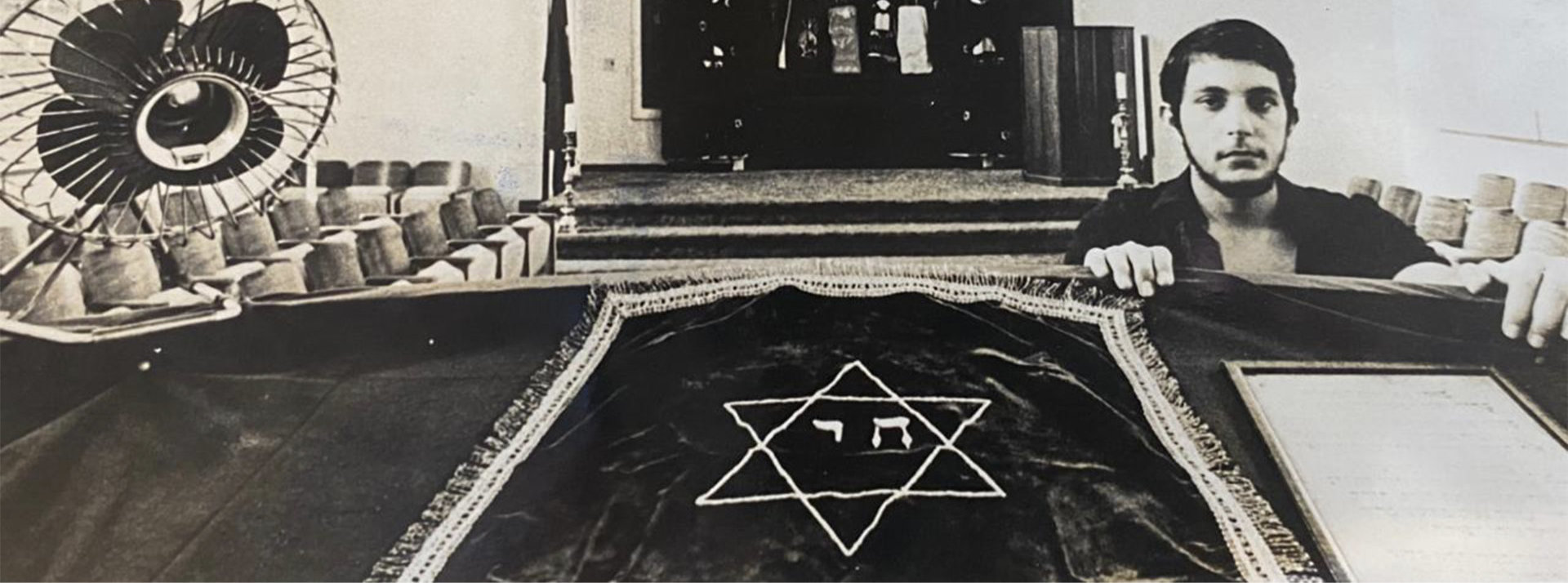
In the Porto Alegre of the 1980s, marked by political ferment and the revival of cultural life after two decades of conservatism, a silent yet urgent need was growing: to preserve the voices, faces, and stories of a community that had helped shape the city, but whose memories were threatened by oblivion.

It was against this backdrop that, on November 25, 1985, Jewish intellectuals and businesspeople joined forces and founded Marc Chagall Jewish Cultural Institute, with the purpose of creating a living archive dedicated to preserving history, conducting research, and promoting culture.

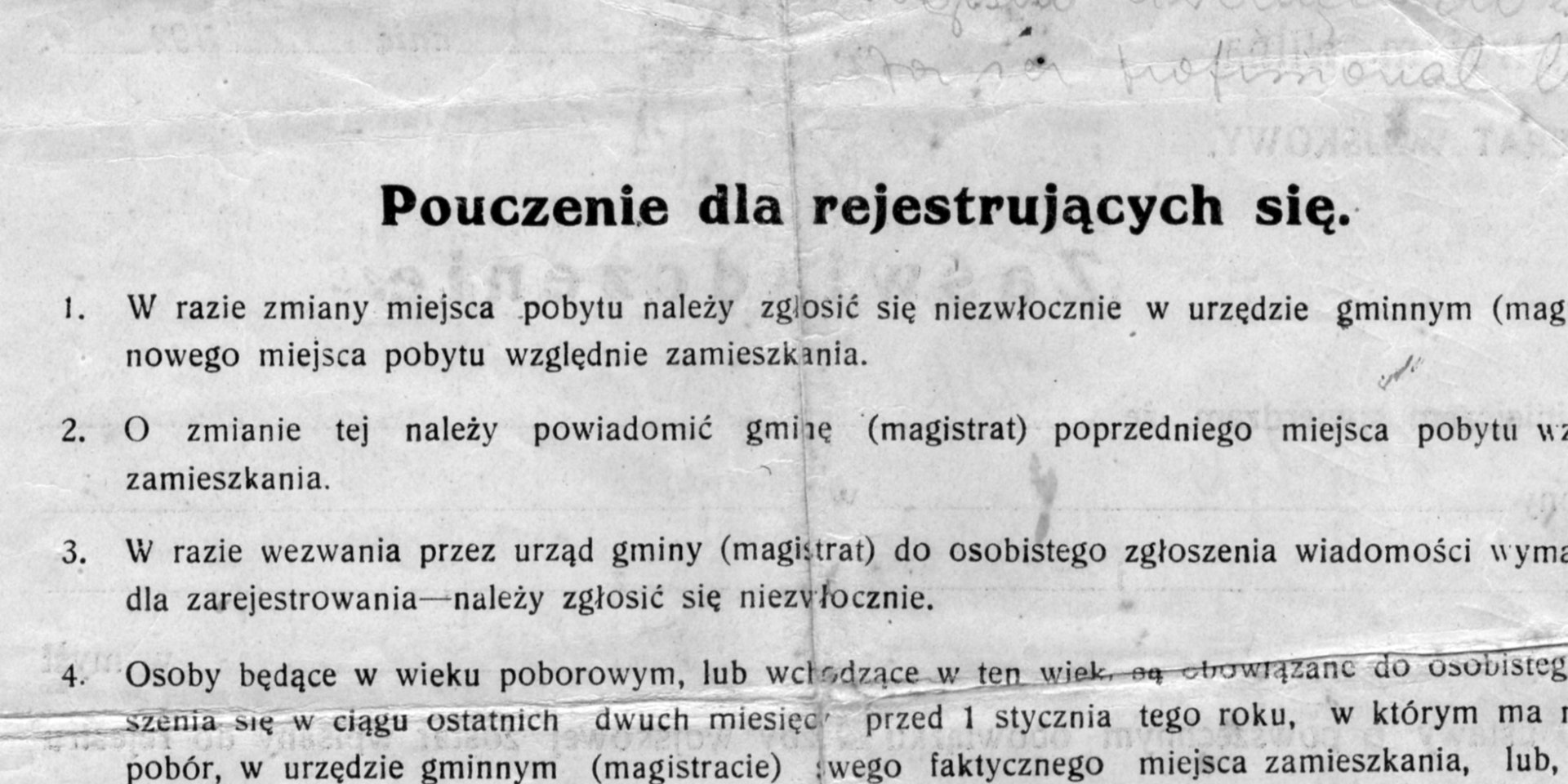
Thus, still in the 1980s, a project was launched that was unprecedented in the country: the collection of 570 interviews with Jewish immigrants and their descendants, which went on to become one of the largest oral history archives in Brazil. Over the years, more than 45,000 documents, audio recordings, and videos have been added to the collection, which is now widely consulted by Brazilian and foreign researchers, descendants, and those interested in the history of Jewish immigration to our country.

Choosing the name

The Institute is named after the Belarusian-born, naturalized French painter Marc Chagall, whose work lyrically depicted Jewish life in the early 20th century. More than just an artistic reference, Chagall symbolizes the ability to preserve a people’s identity, even far from their homeland. The founding of the Institute in 1985, the year of his death, gave the tribute an even more symbolic character.


  • Our Mission
    To preserve, promote, and share Jewish historical and cultural heritage in Rio Grande do Sul, strengthening its legacy for future generations.


  • Strategic Vision
    To be a leading institution in Rio Grande do Sul dedicated to preserving and promoting the historical and cultural heritage of the Jewish community, by organizing high-quality activities and ensuring long-term sustainability.


  • Strategic Axes
    Museology and Historical Archives
    Promotion of Cultural Memory
    Image Building
    Financial Autonomy

Key Initiatives

Since its inception, the Institute’s first board of directors set ambitious goals: to create a space for engaging with the past, reflecting on the present, and envisioning the future. To this end, various projects have been and continue to be developed:

Museum of Jewish Immigration

Development of architectural, engineering, and museological designs.

Digitization of the Collection

Conversion of documents, photos, audio, and video to digital format, making them available for universal access on the website and on research computers.

Organization of Events

Lectures, seminars, and debates on Jewish history and current affairs, held in person or online.

Exchange with Partner Institutions

Integration of the collection, exchange of information, and joint activities with Jewish institutions in Brazil and abroad.

Membership Expansion and Retention

Recruiting new members and donors, and re-engaging former members to maintain the organization’s financial health.

Monetization of the Collection

Fundraising services, such as the recording and publication of Family Histories on the Institute’s website, to enable sustainable growth.

Outreach Campaign

Creation and dissemination of materials that present the institution’s mission and strategic priorities.

Members

Today, Marc Chagall Jewish Cultural Institute, a nonprofit organization, is supported by members and donors. Most of its activities are carried out with the help of volunteers, who contribute to the organization’s operations, administration, project management, and the preservation and expansion of its collection. Join us and help keep Jewish history and culture alive!

Board of Directors

Nilton Wainer – President
Rodrigo Pires Bernardes – Vice-President
Arlene Lubianca – Director
Debora Gleiser – Director
Celi Maltz Raskin – Advisor

Advisory Board

Abrahão Finkelstein
Anita Brumer
Fernando Schnaid
Gerson Fischmann
Ieda Gutfreind
Jarbas Milititsky
Jayme Sirotsky
Liana Richter
Mauro Knijnik
Rafael Bán Jacobsen
Ruben Oliven
Sandra Axelrud – Presidente
Sergio Zylbersztejn

Technical Staff

Airan Milititsky Aguiar
Alanis Miranda Rios
Angela Salete Gubert
Danielly Mirella Eberhardt Oliveira
Erika Martins Becker
Estelita Rovinski
Fabiana Pinheiro da Costa – Researcher
Helio Henkin
Heloisa Ghinatti Vitorino
Kailane Martins Domingues
Paulete Golbert
Tania Nudelman